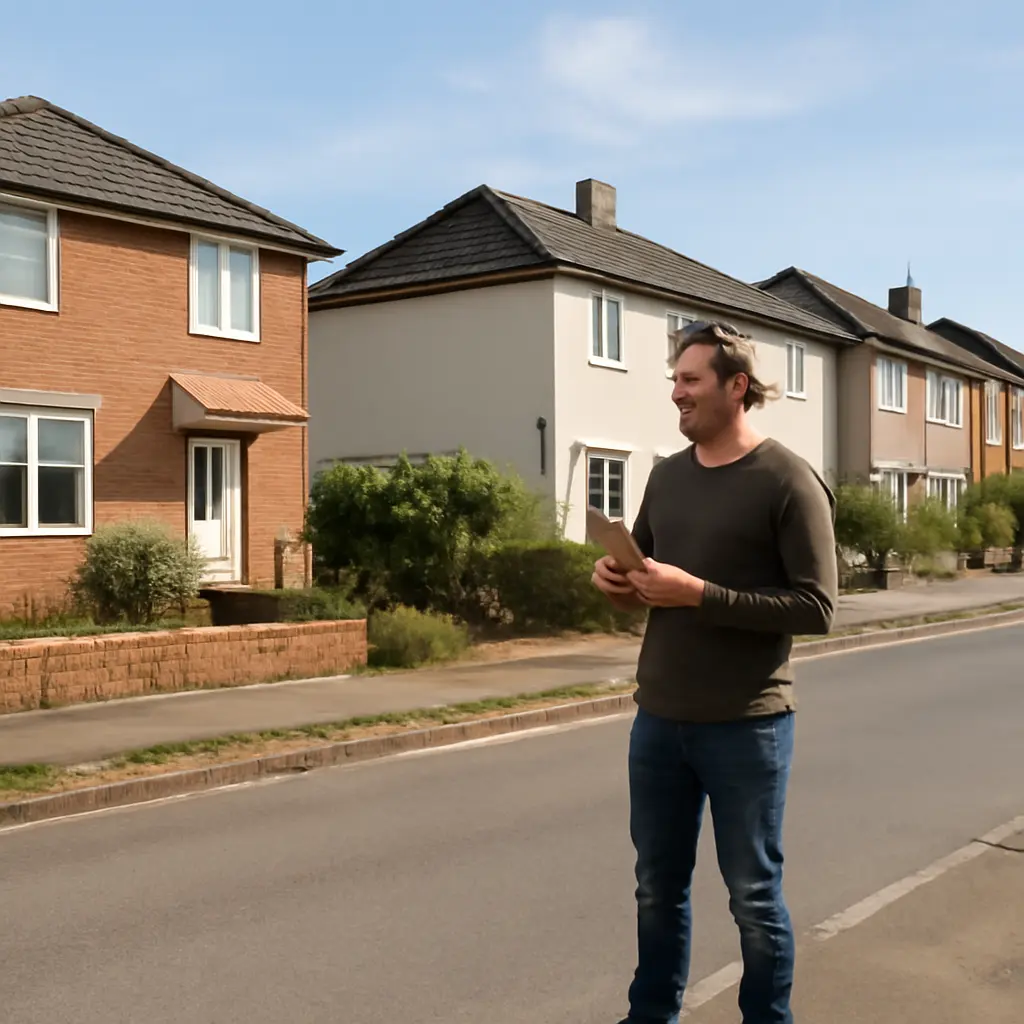
A home is more than a building: it is a place to live, shaped by ownership, layout, maintenance responsibilities, and the surrounding community. The right residential property type depends on your budget, household needs, desired privacy, and willingness to handle upkeep. Detached houses, townhouses, condominiums, apartments, and manufactured homes each offer different trade-offs. The U.S. Census Bureau reported that the national homeownership rate was 65.6% in the second quarter of 2024, a reminder that buying and renting both remain significant parts of the housing landscape. Understanding what each property type includes can help you compare options more confidently.
Residential Property Types: What the Categories Mean
A residential property type describes a dwelling’s physical form and, often, the way its ownership and shared responsibilities are organized. The U.S. Census Bureau classifies housing by characteristics such as building type and number of units, while real-estate and legal terms further distinguish ownership structures. These categories overlap: a condominium describes a form of ownership, for example, and can be located in a high-rise, townhouse-style building, or detached development.
The distinctions matter because a home’s type can affect its purchase price, monthly costs, maintenance obligations, privacy, and financing. The National Association of Home Builders’ 2024 cost-of-construction analysis found that construction costs and land make up substantial portions of a new home’s final price, though the exact balance varies by location and project. For buyers, the practical comparison is not simply “house versus apartment,” but what space, control, and ongoing obligations a particular property provides.
Detached single-family homes
A detached single-family home is a dwelling designed for one household that does not share walls with another home. It typically offers the greatest separation and control over the building and its lot, subject to local zoning, easements, and other rules. Owners commonly take responsibility for the roof, exterior, yard, and major systems, making maintenance capacity as important as the purchase price.
This type may suit households that value privacy, outdoor space, or room to adapt the property. It can also mean more repair work and exposure to costs such as landscaping, insurance, and utilities. Before buying, check the home’s inspection findings and estimate future maintenance alongside the mortgage and property taxes.
Townhouses and row houses
A townhouse is usually a multi-level home that shares one or more side walls with neighboring homes while having its own entrance. A row house is a similar form arranged in a continuous row. These terms describe building form, not one universal ownership arrangement: a townhouse may be owned fee-simple, or it may be part of a community with an association and shared rules.
Townhouses can offer more private living space than many apartments while using less land than detached homes. Shared walls may reduce privacy, and owners should confirm who maintains roofs, exterior walls, driveways, and common areas. Review the governing documents and any association fees before treating a townhouse as a low-maintenance alternative.
Condominiums and cooperatives
A condominium, or condo, is an ownership arrangement in which a resident generally owns an individual unit and shares ownership or use of common areas under a governing association. A cooperative, or co-op, typically involves buying shares in a corporation that owns the building, together with a right to occupy a particular unit. Because laws and documents vary, the precise division of responsibilities depends on the property’s governing structure.
Condos and co-ops can provide access to urban locations and shared amenities without requiring each resident to maintain the entire building. Their costs may include monthly association charges, special assessments, and rules governing alterations or rentals. The Consumer Financial Protection Bureau advises prospective buyers to understand homeowners association fees and obligations as part of their overall housing costs; buyers should also review budgets, reserve funds, meeting records, and pending repairs.
Residential Property Types: Rental and Space-Efficient Choices
Ownership structure is only one part of the decision. A renter may live in an apartment, detached house, or manufactured home, while an owner may occupy a condo or a home in a planned community. Comparing rental and space-efficient options means looking at flexibility, stability, monthly costs, and the rules attached to the property.
Apartments and multifamily buildings
An apartment is a self-contained dwelling within a building or development containing multiple homes. Apartments are commonly rented, although some units in multifamily buildings are individually owned as condominiums. Shared entrances, corridors, elevators, and amenities can make building operations more efficient, but residents may have less control over renovations and shared spaces.
Rental housing can suit people who value flexibility or want to avoid taking responsibility for major building repairs. The trade-offs can include rent changes, lease conditions, and limited ability to customize a home. The U.S. Census Bureau’s rental vacancy and homeownership statistics offer useful national context, but local rents, vacancy rates, and tenant protections are more relevant when comparing neighborhoods.
Manufactured homes
A manufactured home is built in a factory to federal construction and safety standards and transported to its site. The U.S. Department of Housing and Urban Development explains that homes built to the federal Manufactured Home Construction and Safety Standards have been subject to those standards since June 15, 1976. A manufactured home may be placed on privately owned land or in a community where the resident rents a site; the land arrangement can significantly affect long-term costs and security.
Factory construction can offer a different price and delivery pathway from conventional site-built housing, but affordability depends on the home, land, site preparation, utility connections, insurance, and financing. The U.S. Census Bureau’s Manufactured Housing Survey tracks placements and average prices, illustrating why buyers should compare the complete installed cost rather than the home’s advertised price alone.
Accessory dwelling units and tiny homes
An accessory dwelling unit (ADU) is a smaller, independent home located on the same lot as a primary residence, such as a backyard cottage or a converted garage. A tiny home is a compact dwelling, but the term does not by itself determine whether it is legally classified as a house, recreational vehicle, or another structure. Local zoning, building codes, utility rules, and minimum-size requirements therefore matter.
These compact options may support multigenerational living, caregiving, or rental income, but they are not automatically permitted on every property. Before planning a purchase or conversion, check municipal regulations, connection costs, access requirements, and whether the unit can be occupied year-round.
Choosing a Residential Property Type That Fits
No property type is best for everyone. A useful comparison starts with total cost and then considers how the home supports daily life. The Consumer Financial Protection Bureau recommends accounting for costs beyond the mortgage payment, including property taxes, insurance, maintenance, and association fees. Renters should likewise compare utilities, parking, deposits, lease terms, and likely renewal costs.
- Set a realistic monthly budget that includes recurring fees, utilities, insurance, taxes, and a repair reserve.
- Decide how much privacy, outdoor space, accessibility, and room for future household changes you need.
- Clarify who handles structural repairs, exterior maintenance, landscaping, and shared facilities.
- Review local rules, insurance availability, flood or wildfire exposure, and transportation access.
- For shared-ownership properties, read association or cooperative documents and investigate reserves, assessments, and restrictions.
- For manufactured homes, ADUs, or tiny homes, verify land rights, permits, financing, utilities, and legal occupancy before committing.
A practical comparison chart can list each candidate home’s purchase or rent cost, monthly fees, estimated maintenance, space, privacy, and flexibility. This makes trade-offs visible: an apartment may reduce repair responsibilities, while a detached home may offer more control but require a larger maintenance budget. A townhouse or condo can fall between those options, depending on its documents and condition.
Conclusion: Match the Home to Your Priorities
Residential property types range from detached houses and townhouses to condos, apartments, manufactured homes, and compact dwellings such as ADUs. Their differences involve more than appearance: ownership, maintenance, rules, costs, and flexibility can vary considerably even within the same category. Start by defining your budget and household needs, then verify the property’s legal structure and responsibilities. For further guidance, consult local housing authorities, a qualified home inspector, and a real-estate or legal professional before making a commitment.
Sources: U.S. Census Bureau, Quarterly Residential Vacancies and Homeownership, https://www.census.gov/housing/hvs/; National Association of Home Builders, 2024 Cost of Construction Survey, https://www.nahb.org/news-and-economics/housing-economics/house-price-to-construction-cost; Consumer Financial Protection Bureau, Owning a Home, https://www.consumerfinance.gov/owning-a-home/; U.S. Department of Housing and Urban Development, Manufactured Housing, https://www.hud.gov/program_offices/housing/rmra/mhs; U.S. Census Bureau, Manufactured Housing Survey, https://www.census.gov/construction/mhs/