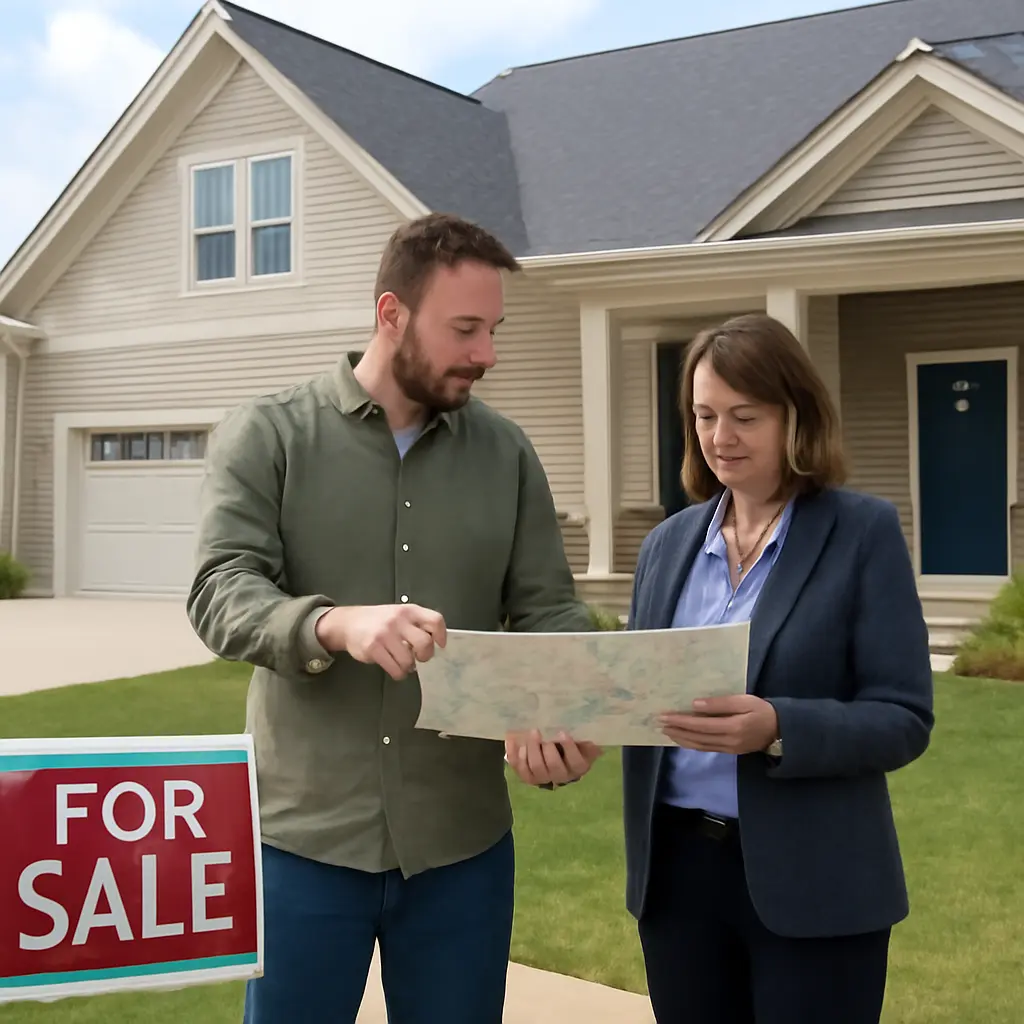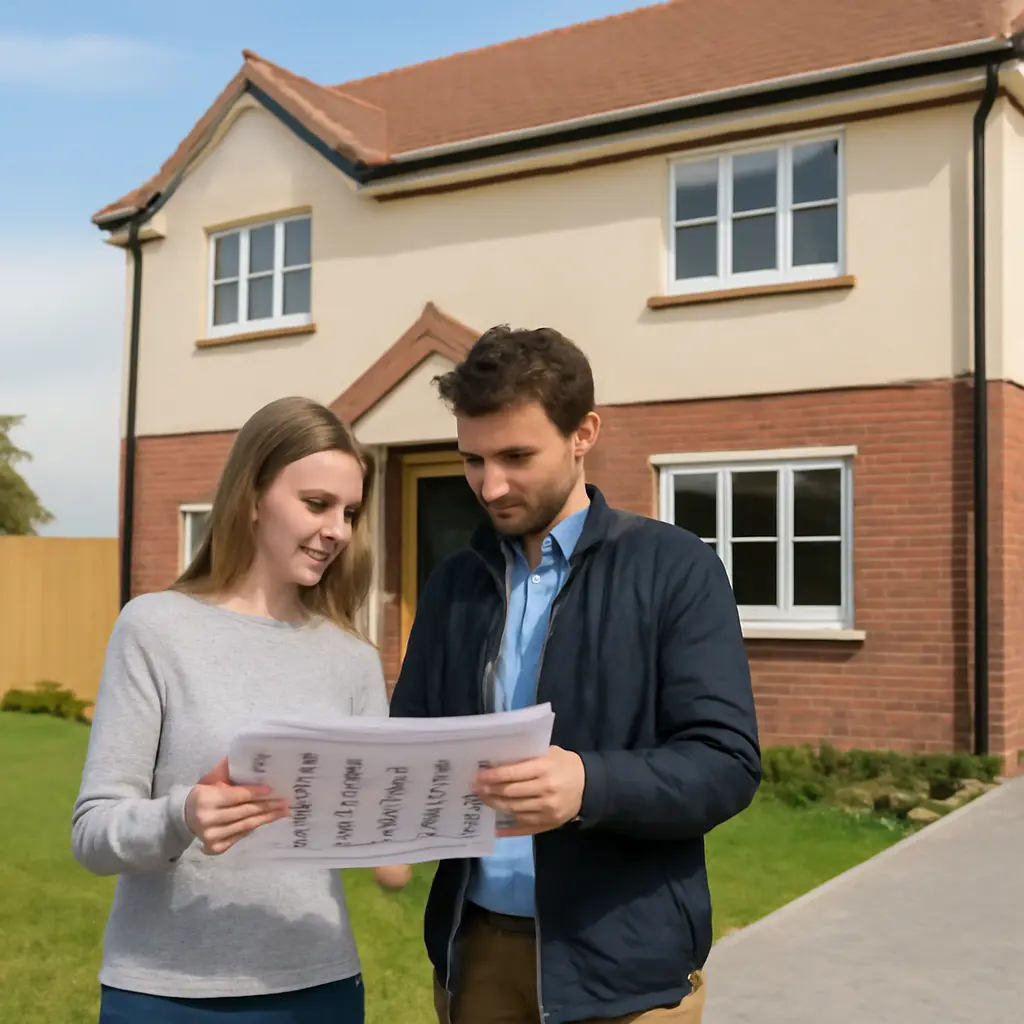
Choosing a home style and property type means matching a building’s layout and upkeep with the way you live, the location you need, and what you can afford. A detached house may offer more privacy and outdoor space, while a condominium can reduce exterior maintenance; a townhouse, duplex, or manufactured home may balance cost, space, and services differently. The U.S. Census Bureau reported that the 2023 homeownership rate was 65.2%, but ownership alone does not determine which kind of home is the best fit. Comparing building form, ownership structure, costs, accessibility, and future plans can help narrow the options.
Property Types and Home Styles: How the Distinction Helps You Choose
A property type describes a home’s physical form and, often, its ownership or maintenance arrangement. A home style describes its architectural appearance or design tradition. The terms overlap in everyday conversation, but they answer different questions: property type asks what kind of dwelling and legal arrangement you are buying or renting; style asks what the building looks and feels like.
The U.S. Census Bureau’s housing surveys classify units by features such as whether a home is detached, attached, or in a building with multiple units. Architectural styles, by contrast, are not a standardized Census housing category. That distinction matters when comparing homes: a ranch-style house might be detached, while a Colonial-inspired design might appear in a townhouse development. Begin with the property’s form and obligations, then consider its design.
Property type: form, use, and ownership
Property type identifies a home’s physical arrangement—such as detached, attached, or apartment-style—and can also refer to the ownership structure. For example, a condominium is generally an individual unit within a shared development, with common areas governed by an association. A cooperative, or co-op, typically gives residents shares in a corporation that owns the building, rather than a deed to an individual apartment. Local law and governing documents determine the precise rights and responsibilities.
Home style: architecture and appearance
Home style refers to visible design features such as roof shape, façade, floor plan, materials, and decorative details. Common labels include ranch, Colonial, Craftsman, contemporary, and Victorian. These labels can help buyers describe preferences, but they do not guarantee a particular layout, construction quality, energy performance, or renovation history. Inspect the actual building rather than relying on its style name.
Housing Choices and Property Types: Compare the Main Options
The best option depends on the balance you want among privacy, space, maintenance, shared rules, and price. The National Association of Realtors’ 2024 Profile of Home Buyers and Sellers reported that the median age of first-time buyers was 38, illustrating how affordability and life stage shape housing decisions. That figure is a market snapshot, not a rule about when or what someone should buy.
Detached single-family homes
A detached single-family home stands apart from neighboring homes and usually provides the most control over the building and yard. It can suit households seeking privacy, storage, or room to adapt, but owners are commonly responsible for exterior repairs, landscaping, and the full property maintenance budget. Check zoning, insurance, utilities, and expected repair costs before deciding that extra space is worth the added responsibility.
Townhouses and row houses
A townhouse or row house shares one or more walls with neighboring homes, often arranging living space over multiple floors. It can offer more room than many apartments while using less land than a detached house. Maintenance duties vary: the owner may be responsible for the roof and exterior, or an association may handle some shared components. Read the rules and budget documents to understand fees, repair obligations, and restrictions.
Condominiums and apartments
A condominium is an ownership form in which a buyer generally owns a unit and shares responsibility for common elements through an association. An apartment commonly refers to a rental unit in a larger building, although terminology varies by country and market. Shared amenities and building maintenance can be convenient, but fees, assessments, rules, noise, and the association’s financial health deserve careful review. Ask for recent meeting minutes, reserve information, insurance details, and any planned major repairs.
Duplexes and other multi-unit homes
A duplex contains two dwelling units in one building; triplexes and fourplexes contain three and four. These properties may suit buyers who want to live in one unit and rent another, or households seeking separate living areas. Rental income is not guaranteed, and owners need to account for vacancies, maintenance, local rental rules, financing terms, and the added work of managing tenants.
Manufactured and modular homes
Manufactured homes are built in a factory to federal construction standards and transported to a site; modular homes are also factory-built but are assembled under applicable state and local building codes. A home’s classification, financing, resale prospects, and insurance can depend on its foundation, land ownership, age, and jurisdiction. The U.S. Department of Housing and Urban Development administers the federal standards for manufactured housing. Before purchase, confirm installation, site preparation, utility connections, warranties, and whether the land is owned or leased.
Home Styles and Design: Match the Look to Daily Life
Once a property type fits your practical needs, architectural style can help you assess the home’s layout, character, and likely upkeep. Style alone is not a reliable measure of cost or quality: two homes with similar façades can differ substantially in age, materials, insulation, and condition. The U.S. Department of Energy recommends evaluating a home as a whole system, including insulation, air sealing, heating, cooling, and windows, rather than judging efficiency by appearance.
Ranch and single-level designs
Ranch homes are typically organized on one main floor, often with a low-pitched roof and an elongated plan. Fewer stairs can be useful for people planning to age in place or those who prefer accessible circulation. However, accessibility depends on details such as entry steps, door widths, bathroom layout, and maneuvering space—not simply the number of floors. A single-level plan may also require a larger lot for the same indoor area.
Colonial and traditional designs
Colonial-inspired homes commonly feature a symmetrical front, a central entrance, and a formal, often two-story arrangement. Their room separation can suit households that want distinct living and sleeping areas. Older examples may need updates to electrical systems, plumbing, insulation, or windows, so an architectural label should prompt questions about condition rather than assumptions about durability.
Craftsman and bungalow homes
Craftsman homes are associated with visible woodwork, broad eaves, and details emphasizing materials and construction; bungalows are generally compact, low-rise homes, though the terms can overlap. Their character and modest scale may appeal to buyers who value distinctive details. Built-ins, older windows, and specialized finishes can add charm but may require particular maintenance or restoration expertise.
Contemporary and modern designs
Contemporary homes reflect current design choices, while “modern” often refers to design movements emphasizing simpler forms, open plans, and fewer decorative elements. Large windows and open spaces can bring in daylight and create flexible rooms, but performance depends on glazing, orientation, shading, and insulation. Ask about heating and cooling costs and inspect how the design responds to the local climate.
Home Selection and Affordability: Evaluate the Full Cost
Purchase price or rent is only one part of housing cost. The Consumer Financial Protection Bureau advises homebuyers to account for expenses such as property taxes, homeowners insurance, utilities, maintenance, and association dues in addition to mortgage payments. A lower-priced property can become expensive if it needs major work or carries high recurring fees; a higher-priced option may include services that reduce some day-to-day responsibilities.
Compare monthly and irregular expenses
Estimate recurring payments and less predictable costs separately. Include mortgage or rent, taxes, insurance, utilities, association fees, routine upkeep, and a reserve for repairs. For condos and planned communities, review whether dues have risen and whether the association has adequate reserves. For detached or older homes, obtain inspections and ask contractors for estimates on significant repairs.
Account for location and climate
Location affects commuting, access to services, insurance, and exposure to hazards. FEMA’s Flood Map Service Center provides official flood-hazard map information, but a map check is only one part of due diligence; ask about drainage, prior water intrusion, local wildfire or storm exposure, and insurance availability. A home’s roof, foundation, windows, and mechanical systems should be assessed in light of local weather conditions.
Plan for changing needs
Consider how the home may work if household size, mobility, work arrangements, or finances change. Flexible rooms, accessible entrances, nearby transit, and adaptable bathrooms can preserve options. If resale matters, assess the local market and likely buyer pool rather than assuming a particular style or property type will always appreciate.
Choosing a Home Style and Property Type: A Practical Checklist
A structured comparison helps turn preferences into a decision. Score each candidate against the same criteria, and distinguish must-haves from features that would merely be nice to have.
- Set a realistic total monthly budget, including taxes, insurance, utilities, fees, and maintenance.
- Choose the amount of privacy, outdoor space, storage, and shared amenities you need.
- Confirm who maintains the roof, exterior, yard, common areas, and major systems.
- Review association rules, financial records, insurance, and planned assessments where relevant.
- Arrange an independent inspection and investigate permits, repairs, and property history.
- Check accessibility, transportation, services, and hazard exposure for the specific location.
- Compare the home’s actual energy features and condition rather than relying on its architectural label.
Conclusion: Choose the Home That Fits Your Priorities
Property type determines much of a home’s physical arrangement and ownership responsibilities; architectural style describes its design character. Detached homes, townhouses, condos, multi-unit properties, and factory-built homes each involve different trade-offs in space, maintenance, cost, and control. Compare those obligations first, then evaluate style, condition, location, and long-term adaptability. Use a realistic budget, review documents carefully, and consult qualified local professionals before committing. For further guidance, explore consumer homebuying resources from the Consumer Financial Protection Bureau and housing information from HUD.
Sources: U.S. Census Bureau, Quarterly Residential Vacancies and Homeownership, Fourth Quarter 2023, https://www.census.gov/housing/hvs/files/currenthvspress.pdf; National Association of Realtors, 2024 Profile of Home Buyers and Sellers, https://www.nar.realtor/research-and-statistics/research-reports/highlights-from-the-profile-of-home-buyers-and-sellers; U.S. Department of Housing and Urban Development, Manufactured Housing, https://www.hud.gov/program_offices/housing/rmra/mhs; U.S. Department of Energy, Energy Saver: Whole-House Systems Approach, https://www.energy.gov/energysaver/whole-house-systems-approach; Consumer Financial Protection Bureau, Owning a Home, https://www.consumerfinance.gov/owning-a-home/; Federal Emergency Management Agency, Flood Map Service Center, https://msc.fema.gov/portal/home.